Most Backyard Projects Fail Before They Start
The biggest reason backyard transformations go over budget or stall mid-build is poor planning at the start. Homeowners often jump straight to selecting materials or plants before they have a clear picture of what the space actually needs.
A complete backyard project involves multiple trades, a defined sequence of works, and decisions that affect each other. Getting the order right from the beginning saves time, money, and a lot of frustration.
Start With What the Site Is Telling You
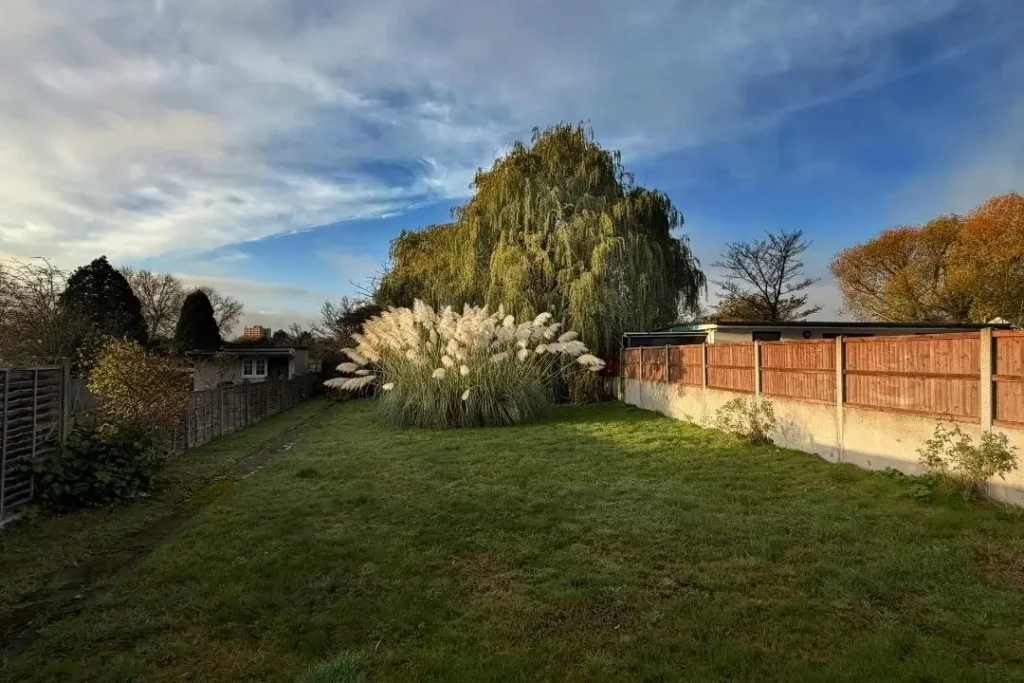
Before any design work begins, the site itself needs to be assessed. That means looking at drainage patterns, soil type, slope, existing structures, and how the sun moves across the space throughout the day.
Brisbane Northside properties vary considerably. Some blocks have heavy clay soils that hold water, others have significant slope changes that require retaining, and many have mature trees that affect root zones and shade. None of these are problems, but they all shape what the design can realistically achieve.
Understanding your site conditions also informs material selection. Certain paving materials perform poorly in areas with poor drainage, and some planting choices that work well in other climates struggle in Brisbane’s heat and humidity.
Define the Brief Before You Define the Budget
Most homeowners approach a landscaper with a budget figure before they have a clear brief. The more useful approach is to define what the space needs to do first, then work out what that costs.
Think about how the space will be used day to day. Is it primarily for entertaining, for children to play, for a pool, for low-maintenance greenery, or some combination? Each of these has different construction requirements and different ongoing maintenance demands.
Once the brief is clear, a realistic budget can be built around it. A full backyard transformation that includes paving, retaining, planting, irrigation, and lighting is a multi-stage project, and the budget needs to reflect that scope honestly.
Check What Approvals Apply to Your Project
Not every landscaping project requires council approval, but some elements do. Retaining walls above a certain height, structures like pergolas or shade sails, and works near boundary lines may all trigger approval requirements depending on your property and the scope of work.
Brisbane City Council outlines the landscaping approval requirements for residential properties, including what falls under exempt development and what requires a formal application. Checking this early avoids delays once construction is underway.
Your landscaper should flag any approval requirements during the design phase. If they are not raising this conversation, ask directly before any work is locked in.
The Design Phase Is Where the Project Takes Shape
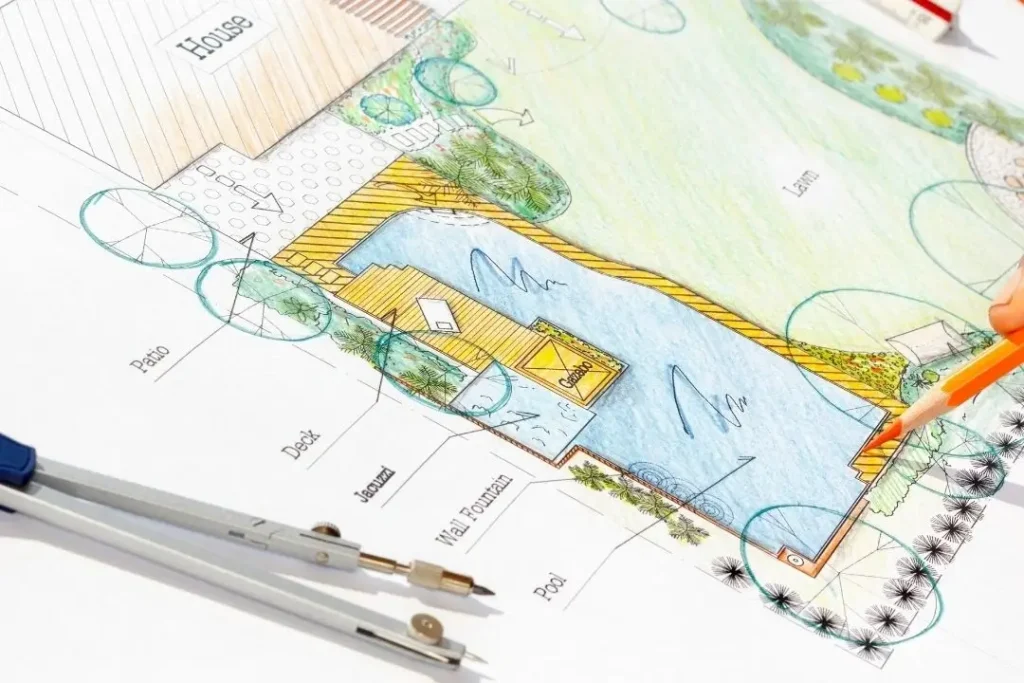
A proper landscape design does more than show you what the finished space will look like. It resolves practical questions about levels, drainage, access, and how different elements connect to each other.
Good design accounts for the sequence of construction. For example, underground irrigation and drainage lines need to be in place before paving goes down. Retaining walls need to be built before garden beds are established. Getting this sequence wrong means pulling up finished work, which adds cost and time.
The design phase is also the right time to consider long-term maintenance. A space that looks beautiful on day one but requires constant upkeep can become a burden. Factoring in plant selection, irrigation coverage, and surface materials with maintenance in mind produces a better outcome over time.
Construction Sequencing Matters More Than Most Homeowners Realise
Once design is finalised and approvals are in place, construction follows a defined sequence. Earthworks and site preparation come first, followed by drainage and underground services, then structural elements like retaining walls and edging, then hard surfaces, then soft landscaping.
Deviating from this sequence to save time or accommodate delays in one trade usually creates problems elsewhere. Paving laid before drainage is resolved will move. Plants installed before irrigation is commissioned will struggle in Brisbane’s dry periods.
A well-run project has a clear programme that all trades work to. Ask your landscaper how they manage sequencing and subcontractor coordination before the project begins, not after.
What to Expect During the Build
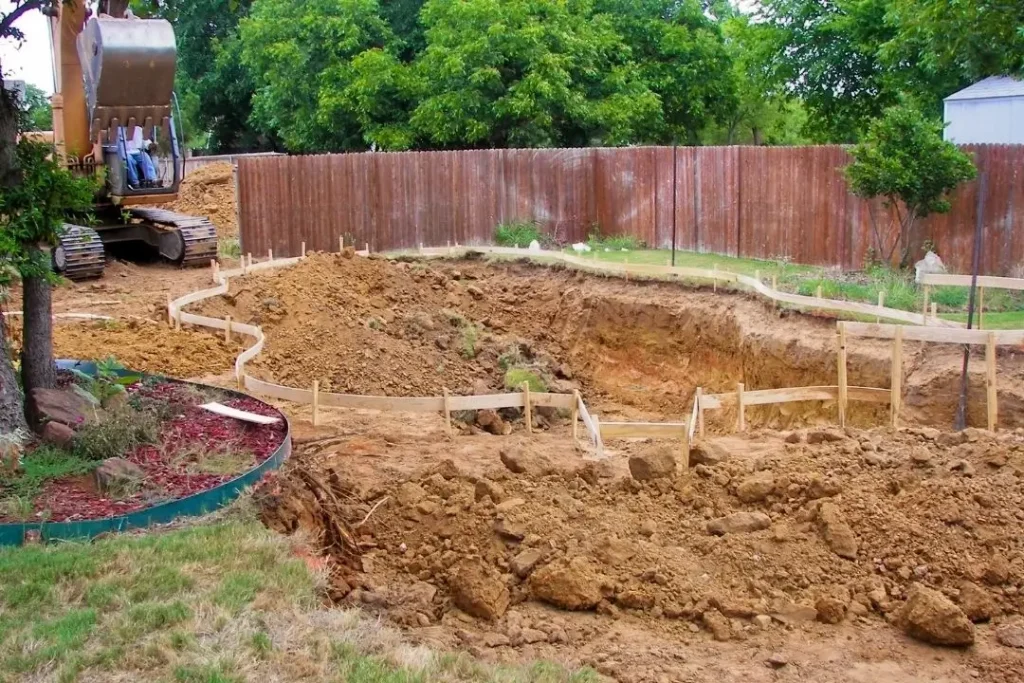
A full backyard transformation is disruptive. Access through the house or side gates, noise, dust, and temporary loss of outdoor space are all part of the process. Planning for this in advance makes it easier to manage.
Communication with your landscaper during the build is important. Regular updates on progress, any variations to scope, and expected completion milestones keep the project on track and reduce the chance of misaligned expectations.
Variations do happen on complex projects. Unexpected soil conditions, changes to the brief, or supply delays can all affect the programme. A clear contract that outlines how variations are handled protects both parties.
Planning the Handover and Ongoing Care
Once construction is complete, the project is not finished. Newly installed plants need establishment care, irrigation systems need to be set correctly for the season, and some surfaces need sealing or treatment in the weeks after installation.
Ask your landscaper for a handover document that covers maintenance requirements, irrigation schedules, and any warranty conditions on materials or workmanship. This is standard practice on a professionally managed project.
Backyard landscaping at this scale is a significant investment, and the ongoing care in the first few months after completion has a direct impact on how well the finished space performs over time.
Ready to Start Planning Your Backyard Project?
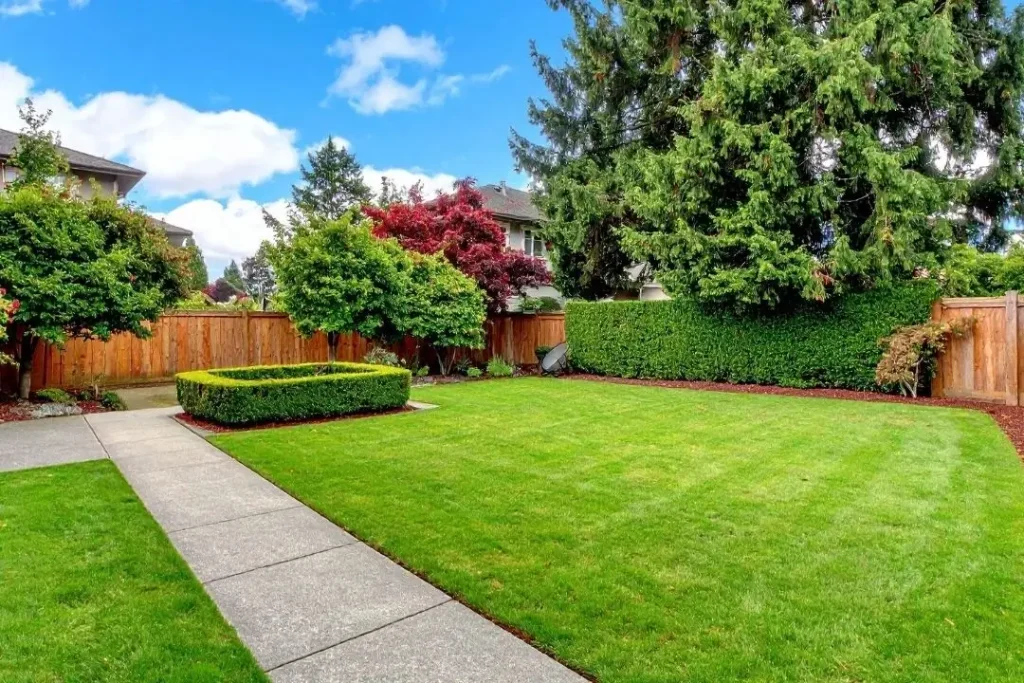
If you have a clear idea of what you want, or even just a rough sense of the space you are working with, the best next step is a conversation with a landscaper who works on full-scale residential projects in Brisbane Northside.
Our team can walk through your site, discuss your brief, and give you a realistic picture of what the project involves before any commitments are made. To get started, send us a message through our project enquiry form or call us directly on (07) 3608 1311.